
The Art of Relaxation: Japan’s Hidden Spa Gems
Beyond the neon glow of Tokyo and the crowded temples of Kyoto lies a quieter, steam-filled world where time seems to dissolve. Japan’s onsen culture is a centuries-old masterclass in the art of relaxation, but the true essence of this ritual is found far from the tourist brochures. To find the country’s hidden spa gems, one must travel toward the jagged peaks of the Japanese Alps or the mist-shrouded coastlines of Kyushu, where the water is hotter, the air is purer, and the silence is absolute.
Take, for instance, the remote valley of Nyuto Onsen in Akita. Here, tucked away in deep beech forests, lie rustic traditional inns (ryokan) that have remained largely unchanged for three hundred years. The most famous of these, Tsurunoyu, features milky-white outdoor baths where the minerals are so dense the water looks like silk. Bathing here during a winter snowfall is a transformative experience; the contrast between the freezing mountain air and the mineral-rich heat creates a physical stillness that no modern luxury spa can replicate. It is not just about hygiene; it is a meditative immersion into nature.
Further south, the coastal town of Ibusuki offers a different kind of geothermal magic. Instead of plunging into water, visitors are buried up to their necks in naturally heated volcanic sand. The weight of the earth combined with the subterranean steam detoxifies the body in minutes. This “sand bathing” is a rhythmic, grounding experience that aligns the body’s internal clock with the volcanic pulse of the island. It is a reminder that relaxation in Japan is often a collaboration with the landscape itself.
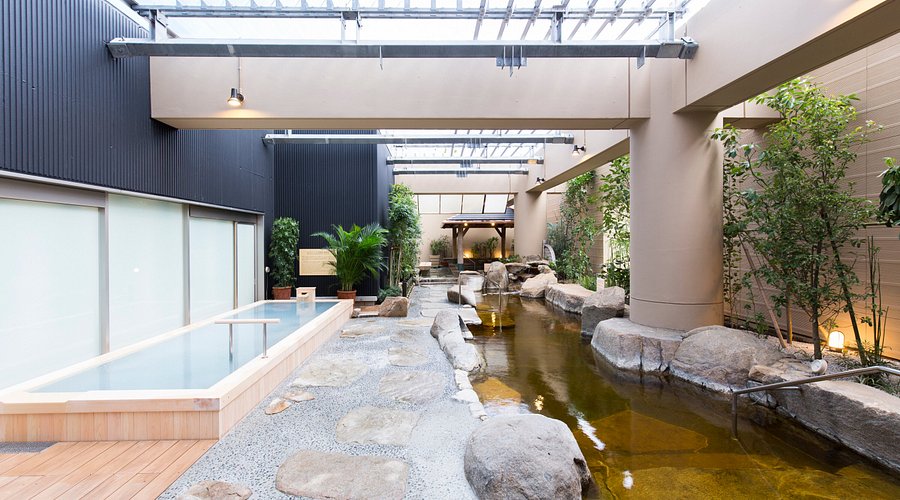
The brilliance of these hidden gems lies in the philosophy of wabi-sabi—the beauty of the imperfect and the rustic. Unlike the polished arkmassagespa marble of Western spas, a hidden Japanese onsen might feature weathered cypress wood, smooth river stones, and the moss-covered lanterns of a forgotten era. There is no piped-in music; the soundtrack is the rush of a nearby stream or the wind through the bamboo. This simplicity strips away the mental clutter of modern life, forcing a confrontation with the present moment.
To visit these sanctuaries is to participate in a sacred choreography of slowing down. From the meticulous scrubbing of the body before entry to the post-bath ritual of sipping green tea while overlooking a private zen garden, every step is designed to transition the soul from “doing” to “being.” These hidden gems prove that the ultimate luxury isn’t found in high-tech amenities, but in the ancient, bubbling heat of the earth and the profound peace of a place that the world forgot to hurry.
Would you like me to create a travel itinerary focused on reaching these remote hot spring regions?